
Fangzhou Lin
I am a Research Associate at Texas A&M University. I received my Ph.D. in Computer Science and Data Science from Tohoku University.
My research develops learning-based perception, predictive world models and planning, 3D reconstruction, computational imaging, and trustworthy multimodal AI. I work across mathematical formulation, reproducible systems implementation, and real-world validation in autonomous driving, robotics, and biomedical imaging.
Selected Publications
View all publications →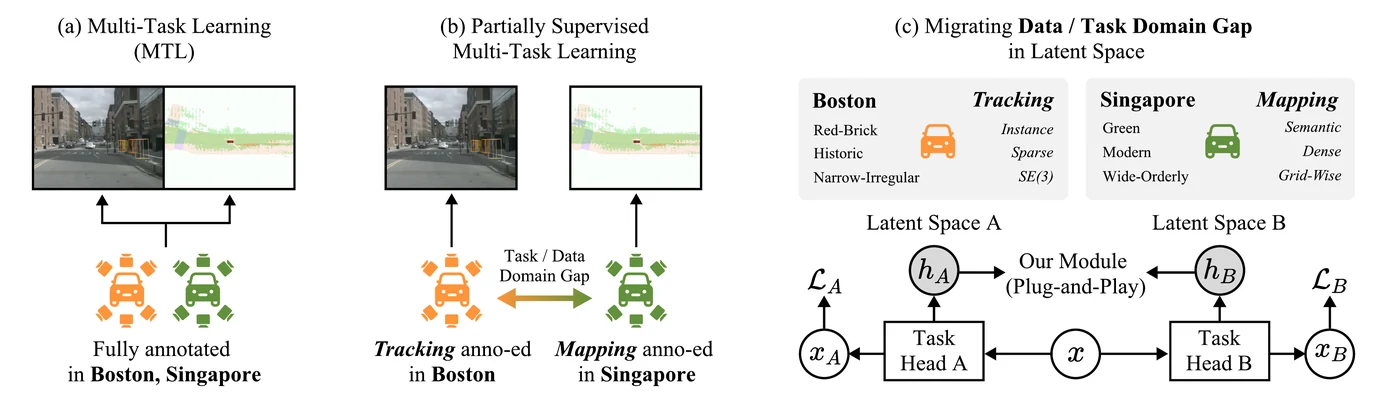
NexusFlow: Unifying Disparate Tasks under Partial Supervision via Invertible Flow Networks
Fangzhou Lin, Yuping Wang, Yuliang Guo, Zixun Huang, Xinyu Huang, Haichong Zhang, et al.
A lightweight framework for jointly learning structurally different perception tasks when annotations are incomplete and geographically shifted.
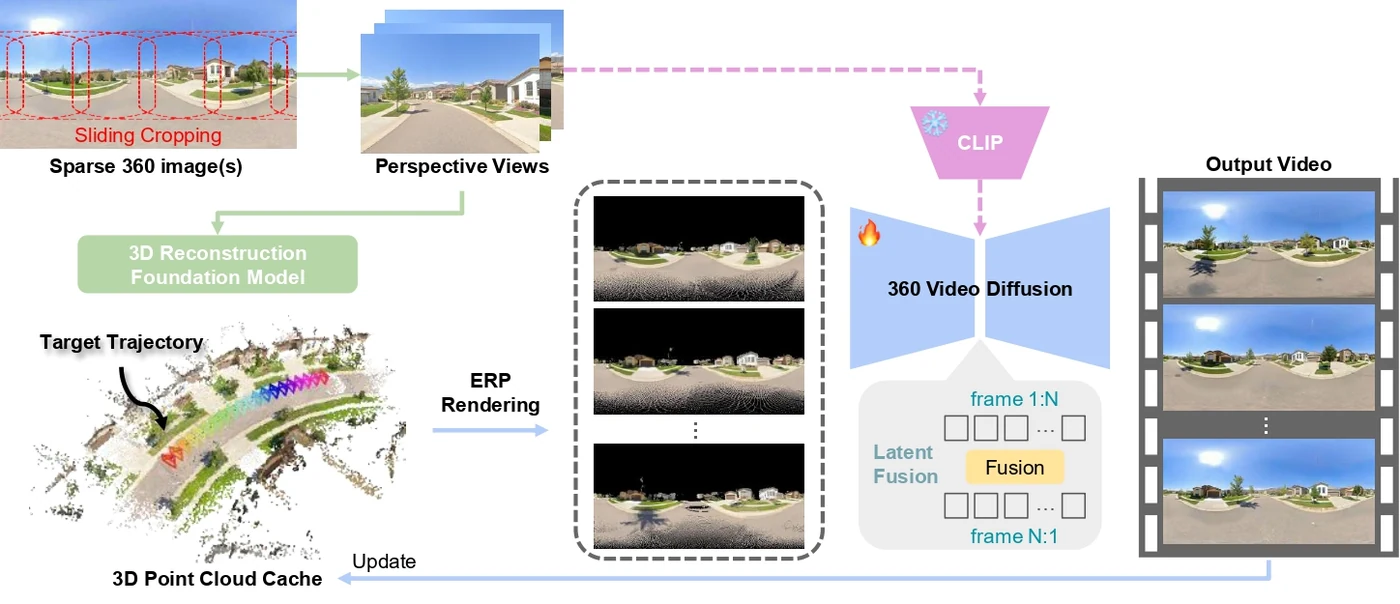
Pantheon360: Taming Digital Twin Generation via 3D-Aware 360° Video Diffusion
Ting-Hsuan Chen, Ying-Huan Chen, Tao Tu, Jie-Ying Lee, Cho-Ying Wu, Fangzhou Lin, et al.
A 3D-aware panoramic video diffusion framework for camera-controllable generation and geometrically consistent digital twins.
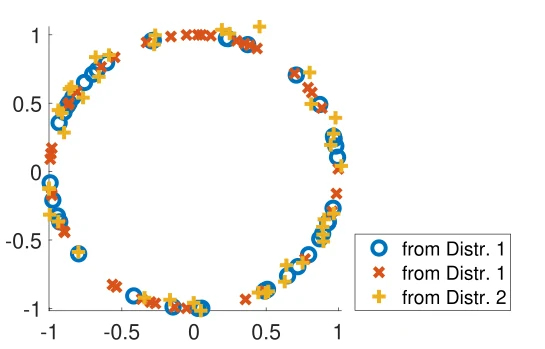
GPS: A Probabilistic Distributional Similarity with Gumbel Priors for Set-to-Set Matching
Fangzhou Lin, Ziming Zhang, Haotian Liu, Jose Morales, Haichong Zhang, Kazunori Yamada, et al.
A probabilistic similarity measure that improves few-shot image classification and 3D point-cloud completion.
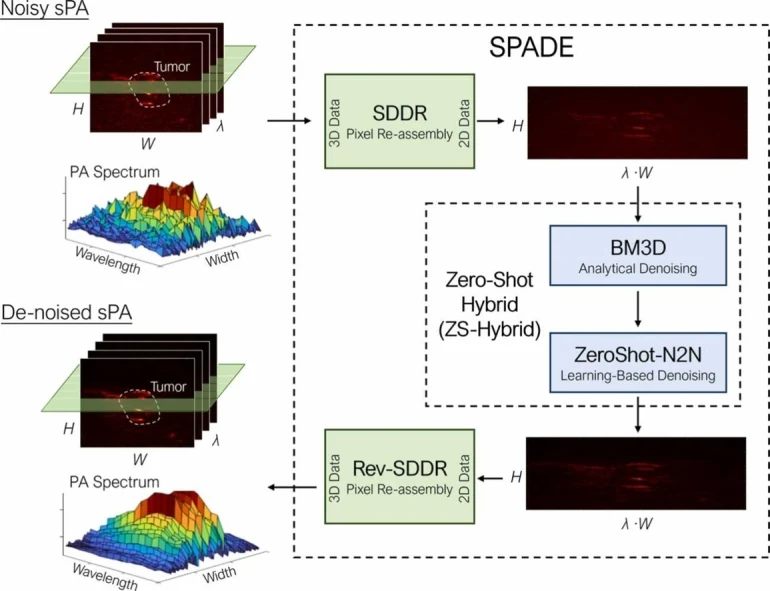
Spectroscopic Photoacoustic Denoising Framework Using Hybrid Analytical and Data-Free Learning
Fangzhou Lin, Shang Gao, Yichuan Tang, Xihan Ma, Ryo Murakami, et al.
A hybrid analytical and data-free learning method for robust denoising while preserving spectral information.
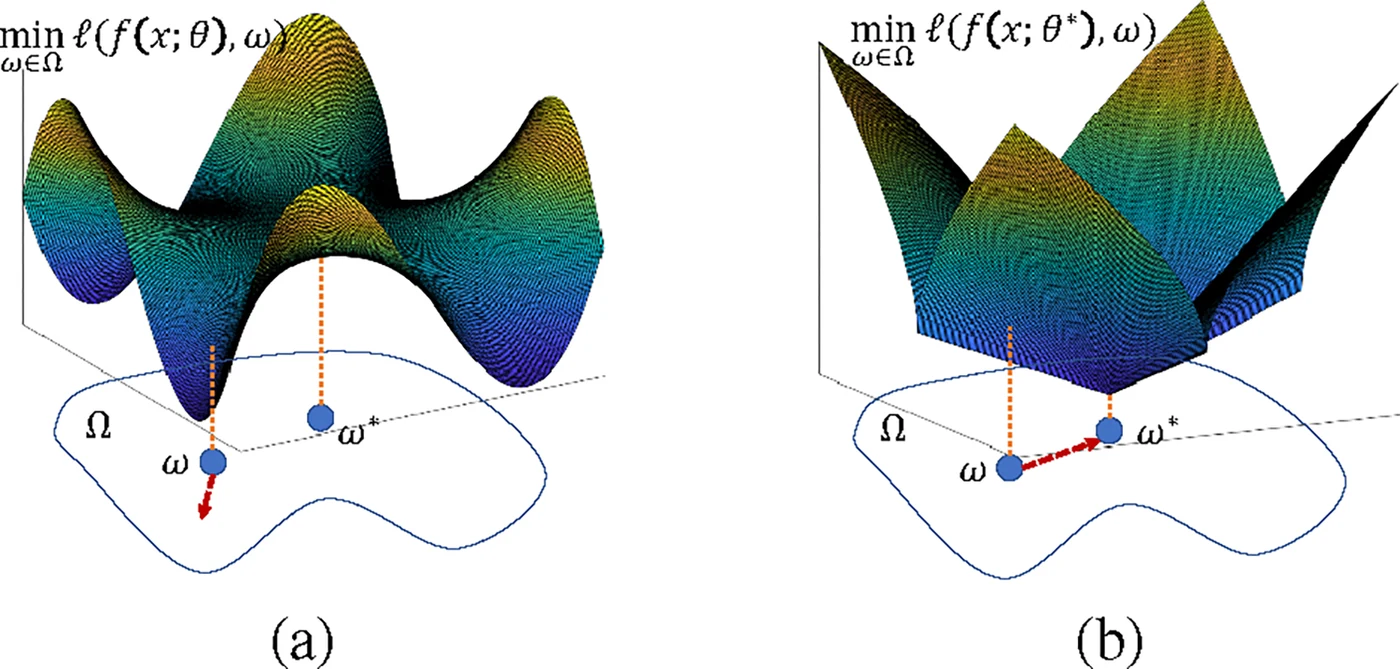
Deep Loss Convexification for Learning Iterative Models
Ziming Zhang, Yuping Shao, Yiqing Zhang, Fangzhou Lin, Haichong Zhang, Elke Rundensteiner
A learning framework that reshapes test-time loss landscapes to improve convergence in iterative models.
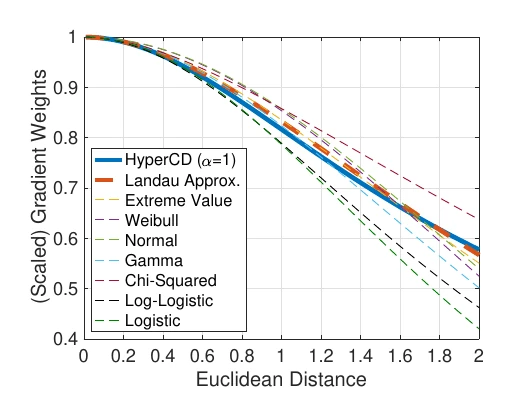
Loss Distillation via Gradient Matching for Point Cloud Completion with Weighted Chamfer Distance
Fangzhou Lin, Haotian Liu, Haoying Zhou, Songlin Hou, Kazunori Yamada, et al.
A parameter-free loss-search approach that distills strong geometric objectives through gradient matching.
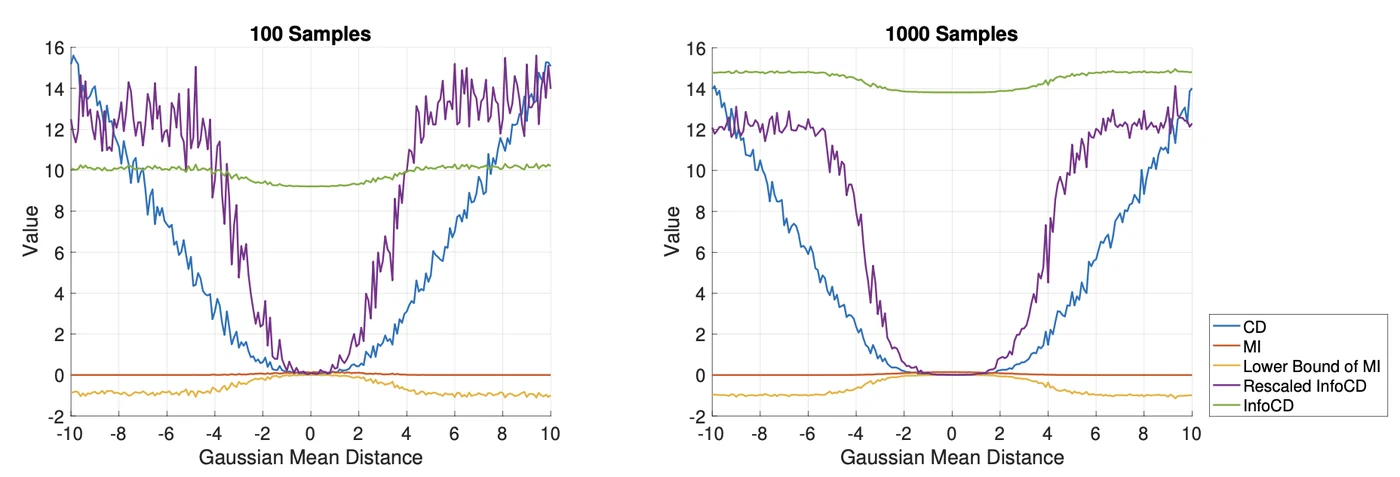
InfoCD: A Contrastive Chamfer Distance Loss for Point Cloud Completion
Fangzhou Lin, Yun Yue, Ziming Zhang, Songlin Hou, Kazunori Yamada, et al.
A contrastive geometric objective that improves point-cloud completion across common architectures and benchmarks.
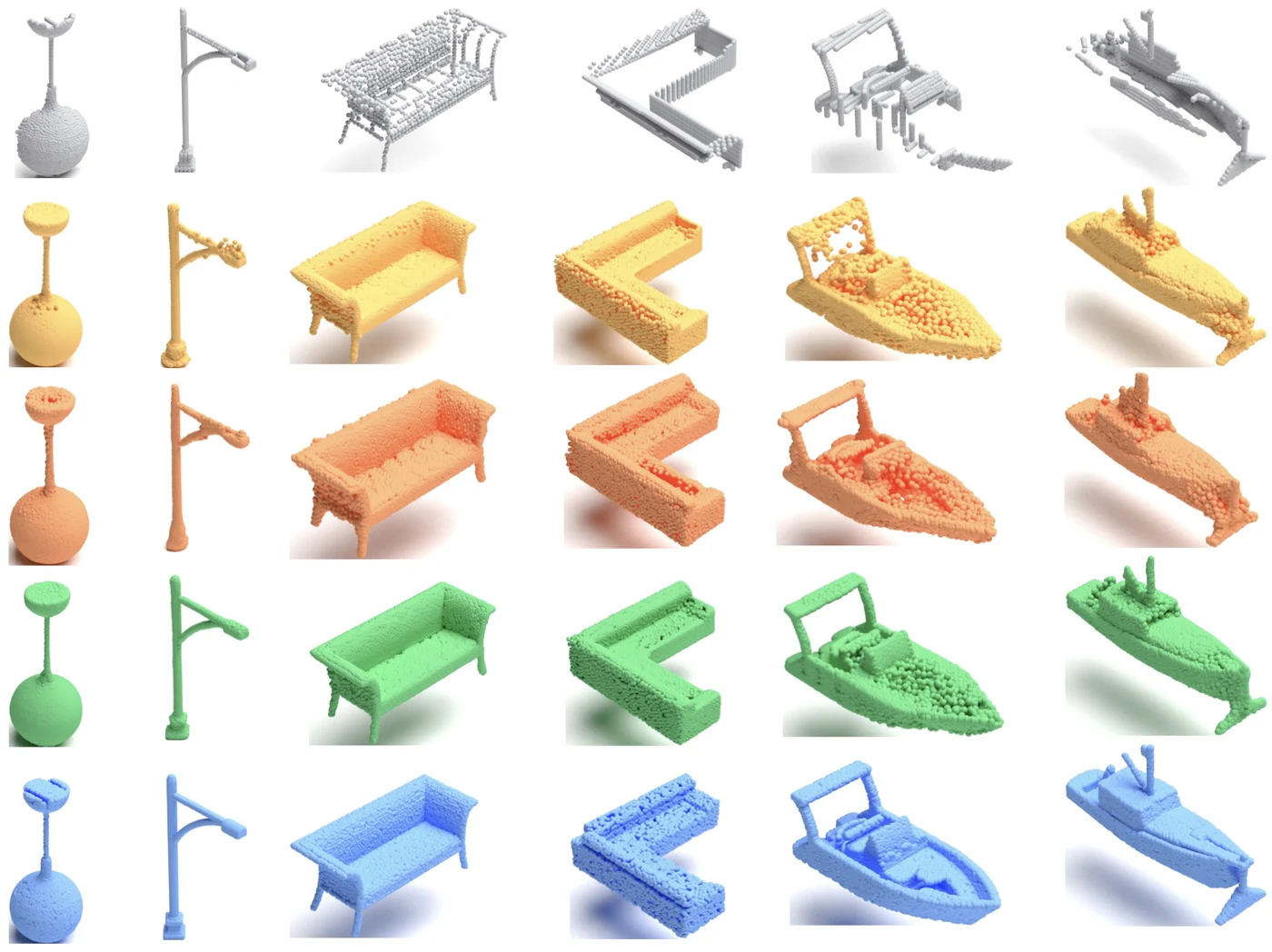
Hyperbolic Chamfer Distance for Point Cloud Completion
Fangzhou Lin, Yun Yue, Songlin Hou, Xuechu Yu, Yajun Xu, Kazunori Yamada, Ziming Zhang
A simple hyperbolic-space distance that reduces outlier sensitivity and improves reconstructed surface quality.
News
- 2026: NexusFlow and Pantheon360 were accepted to CVPR 2026.
- 2026: KANMixer was published in Scientific Reports.
- 2026: Received the Gold Prize in the 3rd AI Mathematical Olympiad Challenge (5th of 3,450 participants globally).
- 2025: GPS was accepted to ICLR 2025, and SPADE was published in Photoacoustics.
- 2024: Loss Distillation was presented orally at IROS 2024, and Deep Loss Convexification appeared in TPAMI.
Service
Reviewer for ICLR, NeurIPS, CVPR, ICCV, IROS, and MICCAI.